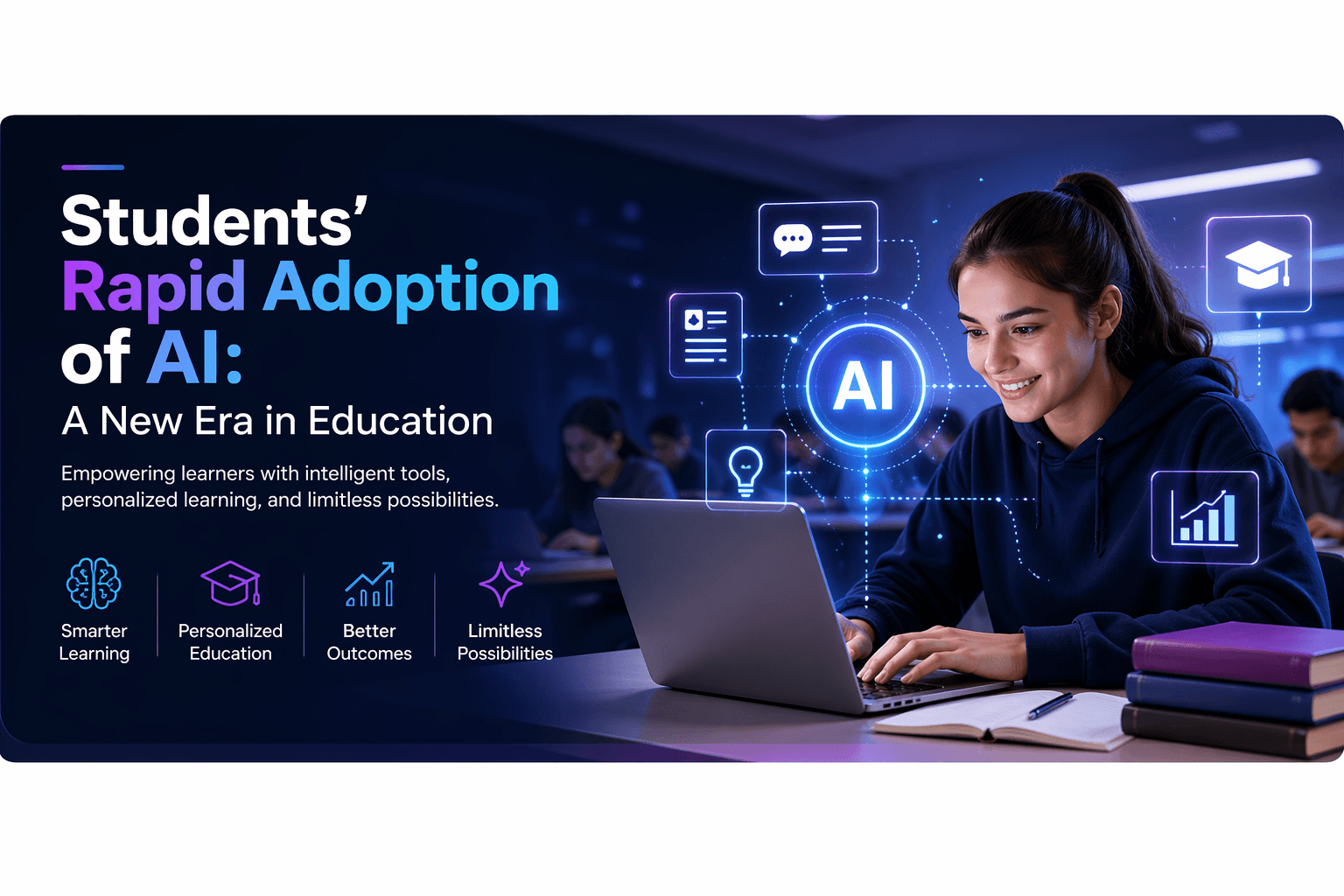
Students' Rapid Adoption of AI: A New Era in Education
AI interest surges among students. Discover the reasons and implications.
Introduction to AI Adoption Among Students
The world of artificial intelligence (AI) has experienced unprecedented growth in recent years, transforming numerous aspects of our lives, from how we communicate to how we work. One of the most significant trends observed in this AI revolution is the rapid interest students are taking in the field. This surge in interest among the younger generation signals a promising future for AI development and its applications across various sectors.
Reasons Behind the Interest in AI
Several factors contribute to the growing fascination with AI among students:
- Accessibility of Resources: The internet and educational institutions have made a plethora of resources available, including online courses, tutorials, and projects, that facilitate learning about AI.
- Career Opportunities: The job market for AI professionals is expanding, offering lucrative career paths for those skilled in AI and machine learning.
- Real-World Applications: Students are drawn to AI because of its potential to solve real-world problems, from healthcare and environmental issues to education and social welfare.
- Competitions and Challenges: Many organizations and educational bodies host AI-related competitions and hackathons, providing students with platforms to showcase their skills and innovations.
Impact of AI on Education
The integration of AI in educational systems is not only benefiting students by enhancing their learning experiences but also revolutionizing the way educators teach:
Personalized Learning
AI can analyze a student's learning pattern, speed, and challenges, allowing for the creation of personalized learning plans that cater to individual needs.
Automated Grading
AI-powered systems can automate the grading process, reducing the workload for teachers and minimizing the chance of human error.
Access to Information
AI-driven tools can provide students with instant access to a vast amount of educational content, including videos, podcasts, and interactive simulations.
The Role of AI in Student Projects
Students are leveraging AI in their projects to innovate and solve complex problems. For example, using machine learning algorithms to analyze data for science projects or developing chatbots to provide customer service solutions. Here's a simple example of how a student might use Python to start exploring AI with a basic chatbot: python import random
talk_to_me = True while talk_to_me: user_input = input('You: ') responses = ['I am good, thanks!', 'That is a great question!', 'I did not understand that. Could you please repeat?'] if user_input.lower() == 'quit': talk_to_me = False else: print('Bot: ', random.choice(responses))
Challenges and Concerns
While the interest in AI among students is a positive trend, there are challenges and concerns that need to be addressed:
- Ethical Considerations: As AI becomes more integrated into daily life, ethical considerations regarding privacy, bias, and job displacement must be considered.
- Digital Divide: Not all students have equal access to the resources and technology needed to learn about and work with AI, potentially widening the educational gap.
- Misinformation: The rapid evolution of AI can lead to misinformation and misconceptions about its capabilities and limitations.
Conclusion
The rapid adoption of AI among students is a significant development with far-reaching implications for education, career opportunities, and societal impact. As we move forward, it's crucial to address the challenges associated with AI adoption, ensure equitable access to AI education, and foster a community that promotes responsible AI development and use. By doing so, we can harness the full potential of AI to create a better future for all.
Future Outlook
The future of AI in education and beyond is promising. With ongoing advancements and investments in AI research and development, we can expect to see more innovative applications of AI in various fields. Students, with their fresh perspectives and eagerness to learn, will play a pivotal role in shaping this future. Encouraging and supporting their interest in AI will be key to unlocking new possibilities and solving the complex challenges of the 21st century.
Share this post