Revolutionizing Industries with AI Integration
AI is transforming the world, discover how to leverage its power.
Introduction to AI Integration
The world is on the cusp of a revolution, and it's being driven by Artificial Intelligence (AI). From healthcare to finance, and from education to transportation, AI is transforming the way we live and work. In this blog post, we'll explore the benefits of moving in AI and how it can help businesses and individuals stay ahead of the curve.
What is AI?
AI refers to the development of computer systems that can perform tasks that would typically require human intelligence, such as learning, problem-solving, and decision-making. AI systems can be trained on large datasets, allowing them to learn from experience and improve their performance over time.
Benefits of AI Integration
The benefits of AI integration are numerous. Some of the most significant advantages include:
- Increased Efficiency: AI can automate repetitive tasks, freeing up human workers to focus on higher-value tasks that require creativity and problem-solving skills.
- Improved Accuracy: AI systems can process large amounts of data quickly and accurately, reducing the risk of errors and improving overall quality.
- Enhanced Customer Experience: AI-powered chatbots and virtual assistants can provide 24/7 customer support, helping to improve customer satisfaction and loyalty.
Applications of AI
AI has a wide range of applications across various industries. Some of the most significant uses of AI include:
- Healthcare: AI can be used to analyze medical images, diagnose diseases, and develop personalized treatment plans.
- Finance: AI can be used to detect fraud, predict stock prices, and optimize investment portfolios.
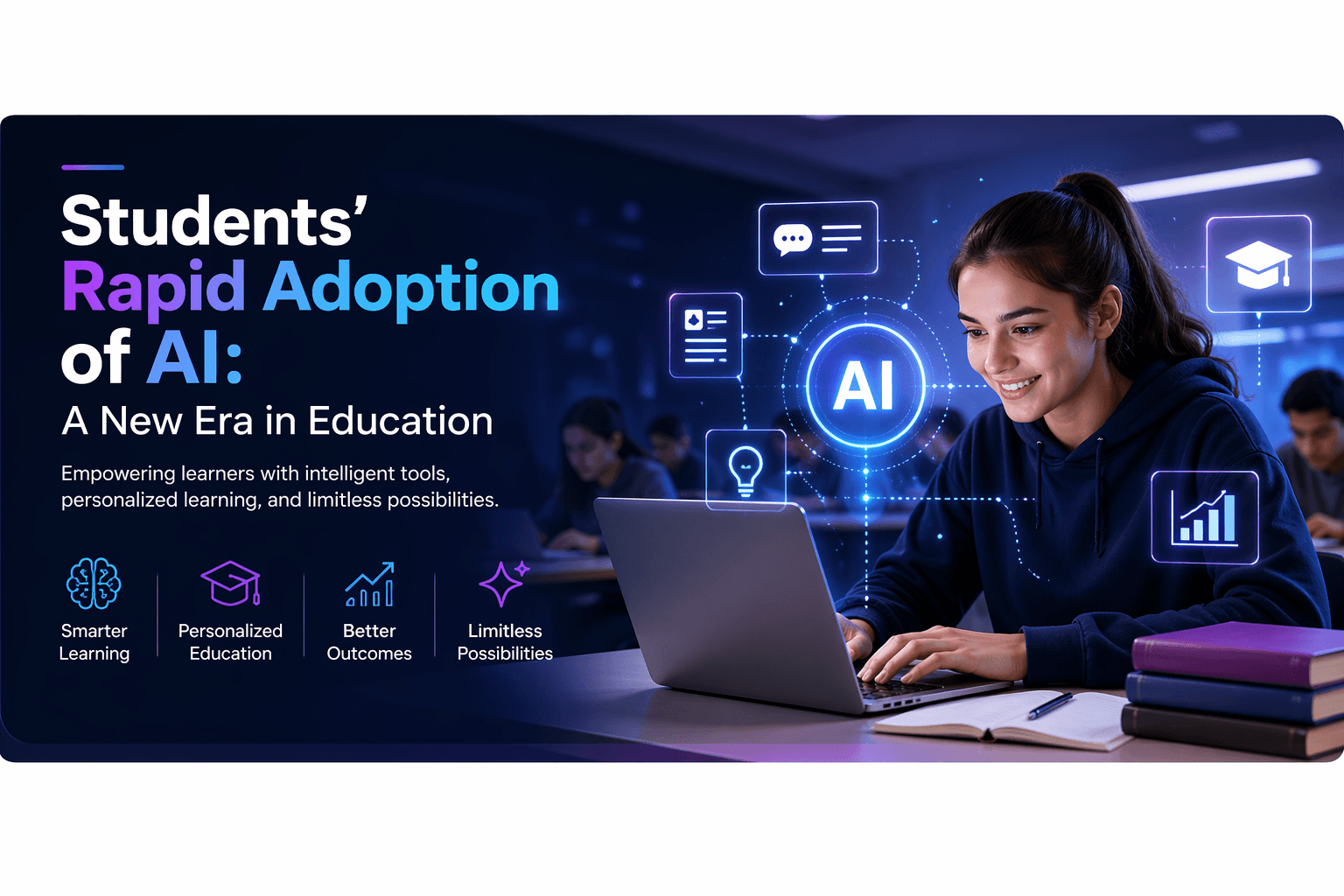
- Education: AI can be used to create personalized learning plans, grade assignments, and provide real-time feedback to students.
Implementing AI in Your Business
If you're interested in moving in AI, there are several steps you can take to get started: python
Import necessary libraries
import pandas as pd from sklearn.ensemble import RandomForestClassifier
Load dataset
df = pd.read_csv('dataset.csv')
Train AI model
model = RandomForestClassifier() model.fit(df.drop('target', axis=1), df['target'])
Make predictions
predictions = model.predict(df.drop('target', axis=1))
Overcoming Challenges
While AI integration can bring numerous benefits, it also poses several challenges. Some of the most significant hurdles include:
- Data Quality: AI systems require high-quality data to learn and improve. Poor data quality can lead to biased or inaccurate results.
- Regulatory Compliance: AI systems must comply with relevant laws and regulations, such as GDPR and HIPAA.
- Cybersecurity: AI systems can be vulnerable to cyber threats, such as data breaches and hacking attacks.
Conclusion
In conclusion, moving in AI is a crucial step for businesses and individuals who want to stay ahead of the curve. With its numerous benefits, including increased efficiency, improved accuracy, and enhanced customer experience, AI is transforming the world. By understanding the applications of AI, implementing it in your business, and overcoming challenges, you can harness the power of AI to drive success and innovation.
Share this post