Revolutionizing the Future: The Impact of Gen AI
Gen AI is transforming industries, revolutionizing the future with unprecedented power and efficiency.
Introduction to Gen AI
The advent of General Artificial Intelligence (Gen AI) has marked a significant milestone in the realm of technology. Gen AI, designed to perform any intellectual task that a human can, is poised to revolutionize numerous industries and aspects of our lives. With its capability to learn, reason, and apply knowledge across a wide range of tasks, Gen AI is not just a technological advancement but a societal game-changer.
The Era of Gen AI
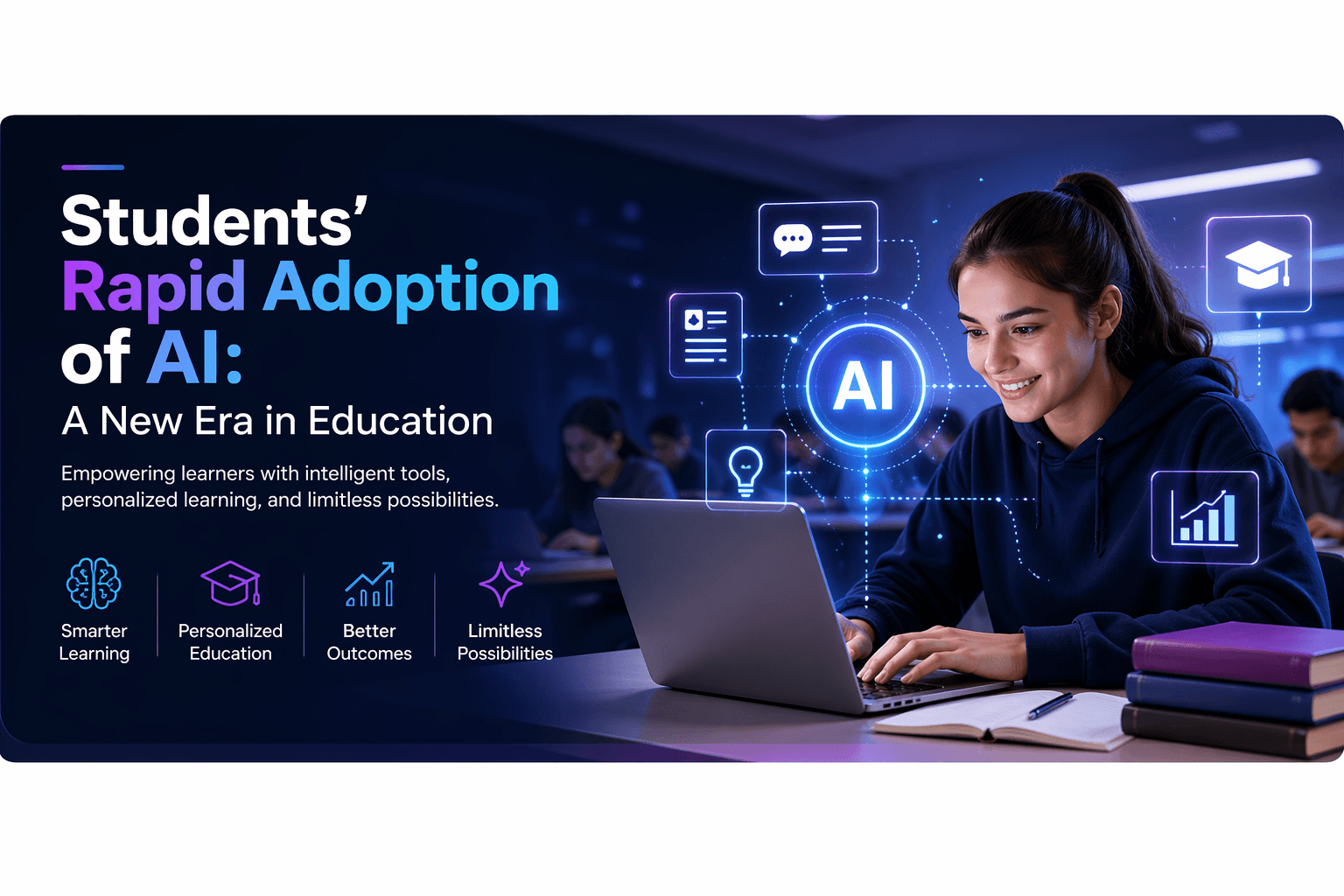
In this era, Gen AI is making profound impacts on various sectors, including healthcare, education, finance, and more. For instance, in healthcare, Gen AI can analyze vast amounts of medical data to help diagnose diseases more accurately and quickly than human professionals. In education, Gen AI-powered systems can offer personalized learning plans tailored to each student's needs and abilities.
Key Effects of Gen AI
Some of the key effects of Gen AI in this era include:
- Automation of Jobs: Gen AI has the potential to automate a wide range of jobs, from simple repetitive tasks to complex decision-making processes. This could lead to significant job displacement but also create new job opportunities in fields related to AI development and maintenance.
- Enhanced Efficiency: By automating tasks and providing insights that humans might miss, Gen AI can greatly enhance the efficiency of operations in various industries. For example, in manufacturing, Gen AI can optimize production processes and predict maintenance needs, reducing downtime and increasing productivity.
- Improved Decision Making: Gen AI can analyze vast amounts of data, including complex patterns and trends that might elude human analysts. This capability can lead to better decision-making in both personal and professional contexts.
The Future with Gen AI
As Gen AI continues to evolve, its impact on society is expected to grow. With the integration of Gen AI into more aspects of life, there will be a need for ethical considerations and regulations to ensure that these powerful technologies are used for the betterment of society. The future with Gen AI holds much promise, from solving complex global challenges to improving the quality of life for individuals around the world.
Challenges and Opportunities
Despite the promising future, there are challenges to be addressed, including the need for transparency in AI decision-making processes and the mitigation of biases in AI systems. However, these challenges also present opportunities for innovation and growth, driving research and development in areas such as explainable AI and AI ethics.
Conclusion
In conclusion, the effect of Gen AI in this era is multifaceted and profound. As we move forward, embracing the potential of Gen AI while addressing its challenges will be crucial. By doing so, we can harness the power of Gen AI to create a future that is more efficient, more equitable, and more beneficial for all.

python
Example of a simple AI model
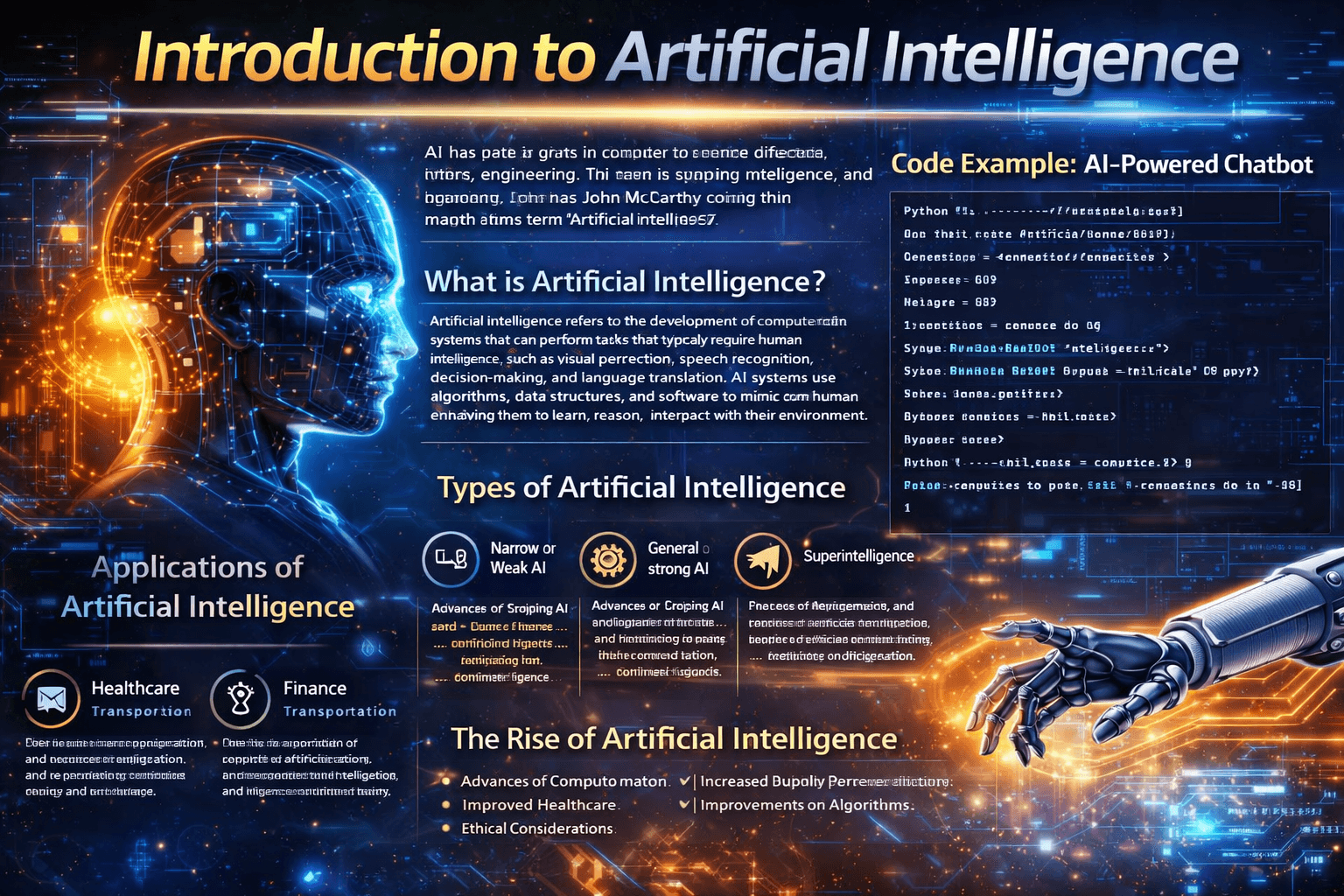
from sklearn import datasets from sklearn.model_selection import train_test_split from sklearn import svm
Load dataset
iris = datasets.load_iris() X = iris.data y = iris.target
Split dataset into training set and test set
X_train, X_test, y_train, y_test = train_test_split(X, y, test_size=0.2, random_state=1)
Create a SVM Classifier
clf = svm.SVC()
Train the model
clf.fit(X_train, y_train)
Predict the response for test dataset
y_pred = clf.predict(X_test)
Share this post